Can I Put Fake Lashes While Pregnant? The Ultimate 2026 Safety Guide
Pregnancy is a transformative journey filled with profound physiological changes, heightened sensitivities, and a natural desire to safeguard both maternal and fetal health. As expectant mothers navigate these nine months, everyday beauty routines inevitably come under intense scrutiny. One of the most frequently asked questions we encounter in our design studios and customer consultations is: Can I put fake lashes while pregnant?

The short answer is yes, you can put fake lashes while pregnant, but the method, the materials, and the environment in which you apply them matter more than ever. From our experience, the primary concerns do not stem from the synthetic or silk fibers of the lashes themselves, but rather from the adhesive formulations, the potential for allergic reactions due to pregnancy-induced immune shifts, and the physical discomfort associated with lengthy salon appointments.
At our core, we are designers. We treat every lash as a piece of subtle architecture, ensuring comfort, durability, and a flawless look. This commitment to meticulous design spans our entire collection, especially when catering to the delicate needs of expecting mothers. In this comprehensive, expert-led guide, we will explore the medical consensus, dissect adhesive ingredients, examine the effects of hormonal changes, and provide safe, effortless solutions for maintaining your daily glamour throughout your pregnancy.
Table of Contents
- 1. The Medical Consensus: Can You Put Fake Lashes While Pregnant?
- 2. Understanding Lash Glue Ingredients During Pregnancy
- 3. Hormonal Changes and Lash Retention
- 4. Safe Alternatives: Strip, Magnetic, and Press-On Lashes
- 5. Professional Application Tips for Expecting Mothers
- 6. Summary Table: Lash Application Safety During Pregnancy
- 7. Frequently Asked Questions (FAQs)
- 8. Authoritative References
1. The Medical Consensus: Can You Put Fake Lashes While Pregnant?

When determining whether it is safe to put fake lashes while pregnant, obstetricians and dermatologists generally agree that topical cosmetic applications are safe, provided they do not involve harsh, systemically absorbed chemicals. False eyelashes themselves—whether made from faux mink, silk, or synthetic polymers—do not pose a direct threat to a developing fetus. They sit on the eyelid margin and do not enter the bloodstream.
However, the conversation becomes nuanced when we discuss the adhesives used to secure them. Salon-grade eyelash extensions rely on industrial-strength glues that cure via chemical reactions, releasing fumes. While the localized application is minute, pregnancy heightens a woman's olfactory sensitivity and immune responses. What might have been a harmless beauty treatment prior to conception can suddenly trigger contact dermatitis, severe eye irritation, or respiratory discomfort. Therefore, while you absolutely can put fake lashes while pregnant, we recommend pivoting away from harsh salon extensions toward gentler, at-home alternatives.
2. Understanding Lash Glue Ingredients During Pregnancy
The safety profile of your lash routine hinges entirely on the adhesive. If you plan to put fake lashes while pregnant, understanding the chemical makeup of your glue is non-negotiable.
Cyanoacrylate and Fumes
Professional lash extension glues are predominantly composed of cyanoacrylate, a fast-drying acrylic resin. As cyanoacrylate cures (polymerizes) in the presence of ambient moisture, it off-gasses trace amounts of formaldehyde. While these levels are strictly regulated and generally deemed safe for the average adult, expectant mothers are rightfully cautious about inhaling any volatile organic compounds (VOCs). Prolonged exposure in a poorly ventilated salon room can lead to headaches and nausea. This is a primary reason why many pregnant women prefer DIY lash solutions that utilize milder, cyanoacrylate-free, or low-fume adhesives.
Formaldehyde and Latex Concerns
Latex is another common ingredient in traditional strip lash adhesives. During pregnancy, immune system shifts can cause sudden, uncharacteristic allergic reactions to substances like latex. Contact dermatitis on the delicate eyelid skin is incredibly uncomfortable and harder to treat during pregnancy, as many topical hydrocortisone creams are restricted. From our experience, we highly recommend utilizing latex-free, hypoallergenic adhesives. If you are looking for secure, pregnancy-safe hold, exploring the best lash glue for clusters can provide you with gentle yet resilient options.
3. Hormonal Changes and Lash Retention
Pregnancy floods the body with estrogen and progesterone. These hormones drastically alter the natural growth cycles of your hair, including your eyelashes. The hair growth cycle consists of the anagen (growth), catagen (transition), and telogen (resting/shedding) phases. Elevated pregnancy hormones often lock hair follicles into the anagen phase, leading to thicker, fuller natural lashes for many women.
However, postpartum—or occasionally during specific trimesters—the sudden drop in hormones can trigger telogen effluvium, causing rapid, excessive shedding. If you choose to put fake lashes while pregnant using the heavy, semi-permanent salon method, the added weight of the extensions combined with hormonal shedding can cause premature follicle damage and noticeable gaps in your natural lash line. This physiological reality further underscores the benefit of lightweight, temporary lash enhancements that do not place prolonged stress on your natural lashes.
4. Safe Alternatives: Strip, Magnetic, and Press-On Lashes
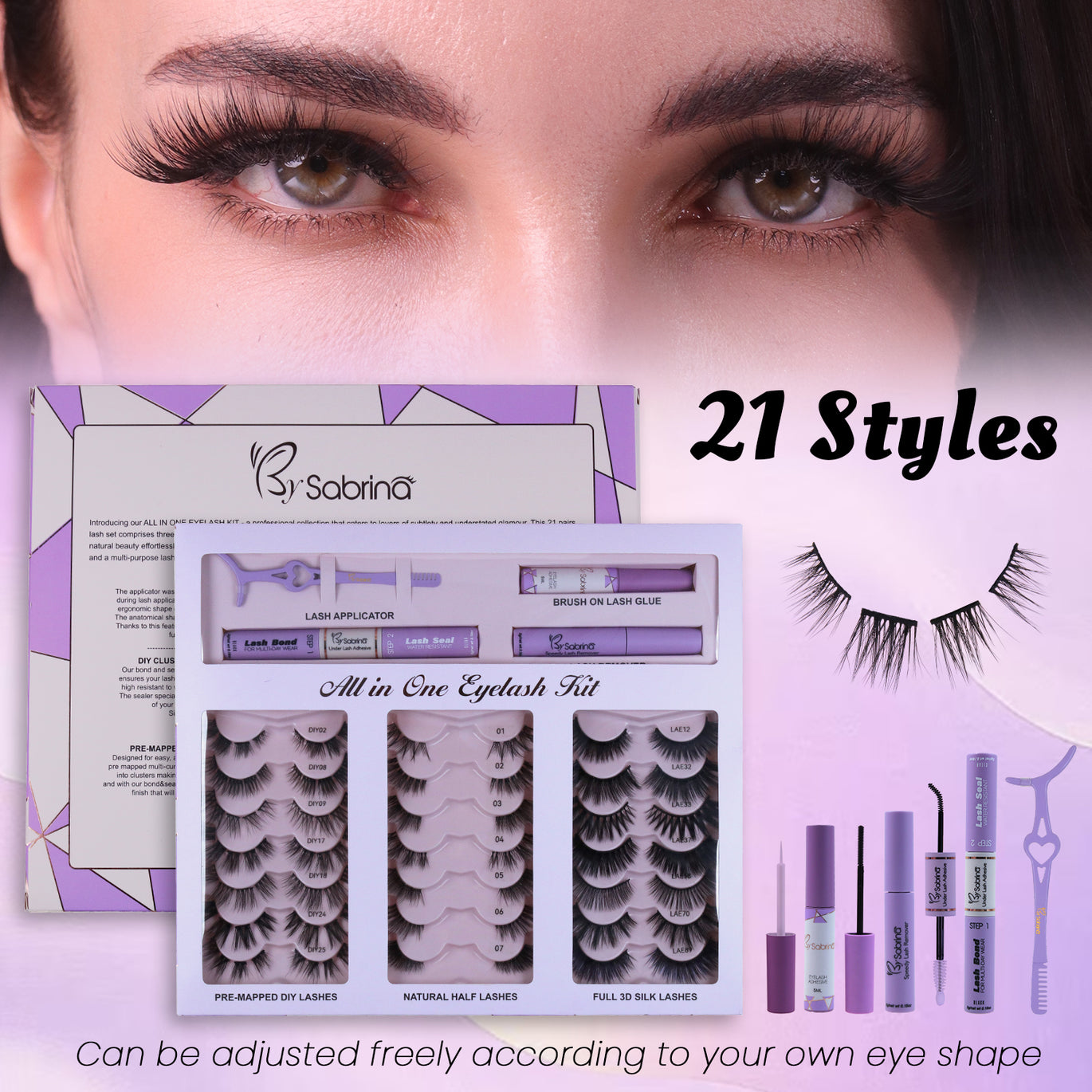
For Effortless Daily Glamour (Home Wear), we know your time is precious. Our curated lash kit offerings are central to providing modern women with fast, flawless application right at home. When considering how to safely put fake lashes while pregnant, DIY home applications eliminate the risks associated with salon extensions—namely, the harsh fumes and the physical discomfort of lying flat on your back for two hours, which can compress the vena cava and restrict blood flow to the baby in the later trimesters.
Cluster Lashes and Press-On Innovations
We focus on innovation, such as our simple press-on lashes and easy-to-customize cluster lashes, to deliver dramatic results without the fuss. Cluster lashes allow you to map your own eye shape and apply lightweight segments underneath your natural lash line. This method uses flexible, gentle bonds rather than rigid cyanoacrylate. If you want a secure hold that lasts through a baby shower or a maternity photoshoot, researching a long lasting lash glue formulated for sensitive eyes is crucial.
Magnetic Eyelashes
Magnetic lashes are an outstanding alternative for expecting mothers who wish to bypass liquid adhesives entirely. They utilize micro-magnets that adhere to a specialized magnetic eyeliner. The eyeliner ingredients are typically similar to standard liquid liners (iron oxides for pigmentation and magnetism) and are topically safe. For those new to this technology, reading about false eyelashes for beginners will ease the learning curve.
Magnetic lashes provide a stunning, voluminous look without the chemical exposure. We highly recommend them as easy to apply fake lashes that take mere minutes to secure, saving your aching back and swollen feet from a lengthy vanity routine. For a curated selection of premium options, explore the best false eyelashes 2026.
5. Professional Application Tips for Expecting Mothers
If you decide to put fake lashes while pregnant using home application methods, adhering to a few professional safety protocols will ensure a beautiful, irritation-free experience.
- Always Perform a Patch Test: Because pregnancy alters your immune system, a glue you have used for years may suddenly cause a reaction. Apply a tiny dot of the lash adhesive behind your ear or on your inner wrist and wait 24 hours to monitor for redness or swelling.
- Ensure Proper Ventilation: Even when using low-fume, at-home adhesives, always apply your lashes in a well-ventilated bathroom or vanity area. Keep a door open or a fan running to dissipate any mild odors.
- Maintain Meticulous Hygiene: Pregnancy can make you slightly more susceptible to infections. Always wash your hands thoroughly before handling your lashes or your eye area. Ensure your application tools, such as tweezers and lash applicators, are sanitized with rubbing alcohol before each use.
- Prioritize Easy Removal: Do not tug or pull at your lashes to remove them, as this damages the follicle. Use a dual-phase, oil-based makeup remover to gently dissolve the adhesive bond, ensuring your natural lashes remain intact and healthy.
6. Summary Table: Lash Application Safety During Pregnancy
| Lash Method | Safety Profile During Pregnancy | Primary Concerns | By Sabrina Recommendation |
|---|---|---|---|
| Salon Extensions | Moderate to Low | Fumes (Cyanoacrylate), Supine hypotension (lying on back), Allergic reactions. | Avoid during 2nd and 3rd trimesters due to postural discomfort and heightened fume sensitivity. |
| Traditional Strip Lashes | High | Latex allergies from standard drugstore glues. | Highly recommended if paired with a latex-free, hypoallergenic adhesive. |
| DIY Cluster Lashes | Very High | Improper removal causing natural lash damage. | Excellent for multi-day wear using our flexible, gentle bond formulations. |
| Magnetic Lashes | Very High | Learning curve for applying magnetic eyeliner smoothly. | The safest, chemical-free option. Perfect for instant, daily glamour without adhesive risks. |
| Press-On Lashes | Very High | None. Pressure-sensitive adhesives are incredibly gentle. | Our top recommendation for effortless, immediate application and zero fume exposure. |
7. Frequently Asked Questions (FAQs)
Will the ingredients in lash glue harm my baby?
Current medical literature indicates that the topical application of lash adhesives poses no systemic threat to a developing fetus, as the molecules are too large to enter the bloodstream and cross the placenta. The primary risk when you put fake lashes while pregnant is maternal contact dermatitis or respiratory irritation from fumes. Choosing hypoallergenic, low-fume glues mitigates these localized risks.
Why do my eyes water more when applying lashes during pregnancy?
Pregnancy increases your blood volume and alters your mucous membranes, often making your eyes more prone to dryness or, paradoxically, excessive watering. Increased olfactory sensitivity also means your eyes may react more sharply to the minimal vapors emitted by adhesives. We recommend applying lashes in a well-ventilated area and using a handheld fan to direct any ambient air away from the eyes during application.
Is it safe to use a heated eyelash curler while pregnant?
Yes, using a heated eyelash curler is perfectly safe during pregnancy. It operates at a localized, low heat that poses no risk to your overall body temperature or your baby. It is an excellent way to blend your natural lashes with your falsies for a seamless, professional finish.
8. Authoritative References
To ensure that our design philosophy aligns with the highest standards of maternal health, we continuously monitor guidelines established by authoritative medical organizations. We encourage our readers to consult these resources and their personal healthcare providers regarding cosmetic safety during pregnancy.
- The American College of Obstetricians and Gynecologists (ACOG) - Providing comprehensive guidelines on maternal health, topical exposures, and pregnancy wellness.
- U.S. Food and Drug Administration (FDA) - Regulatory information regarding the safety of eye cosmetics, adhesives, and color additives.
- American Academy of Dermatology (AAD) - Expert insights on managing contact dermatitis and skin sensitivities induced by hormonal changes during pregnancy.
Sample Image Gallery